

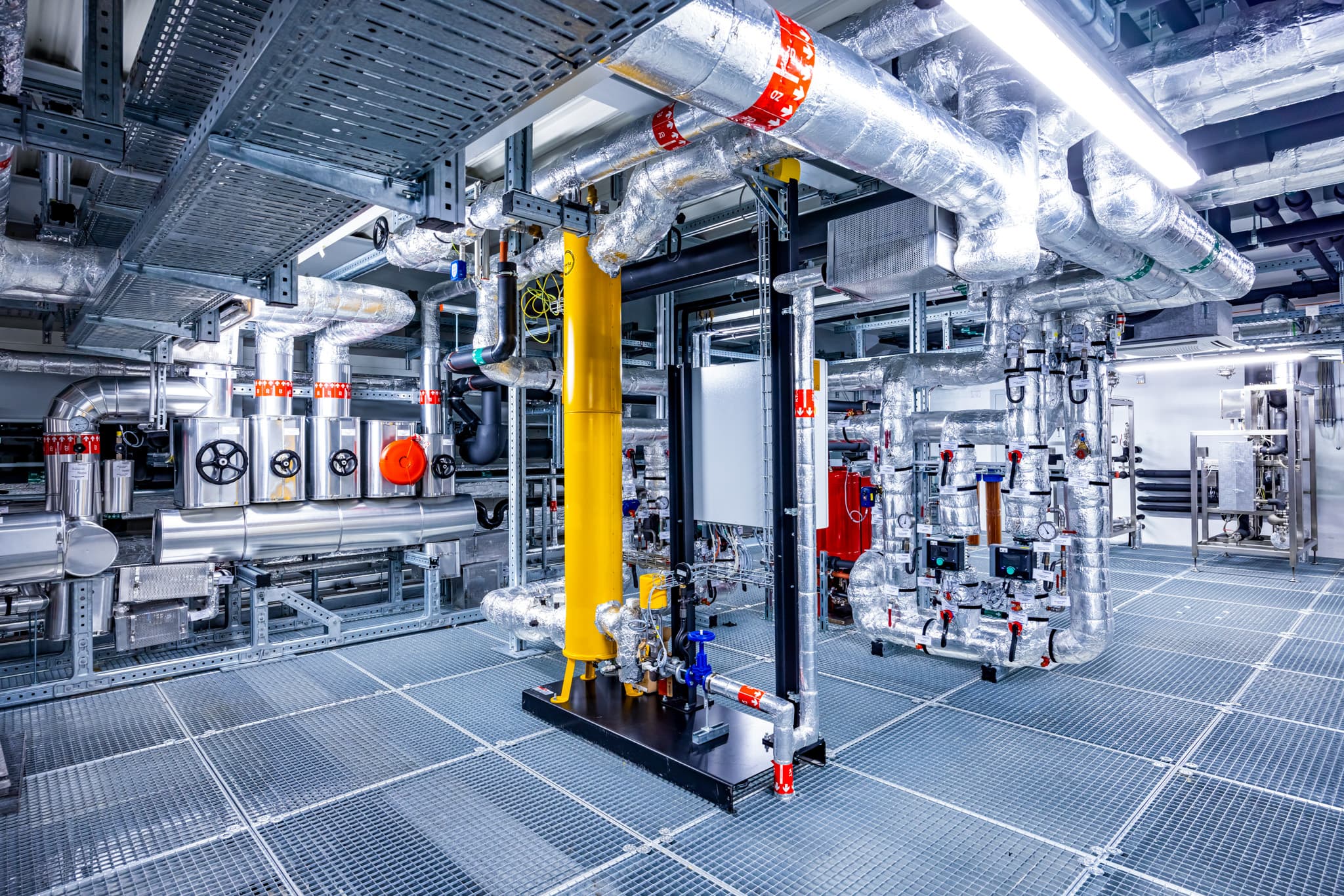

Digitalization is transforming the biotech and pharmaceutical industries at an unprecedented pace. As manufacturing processes become more complex and regulatory expectations continue to rise, companies must move beyond isolated automation toward fully integrated, data-driven operations across the entire value chain.
From early-stage engineering, material and equipment procurement, to plant operations and lifecycle optimization, digital technologies now enable smarter, faster, and more transparent manufacturing. The result is not only improved efficiency but also accelerated innovation and time to market -- critical factors in the life sciences sector.
What Digitalization Means in Life Sciences Manufacturing
Digitalization in biotech and pharma goes far beyond converting paper records into electronic formats. It involves creating integrated digital workflows that connect engineering, production, maintenance, and quality processes into a unified data ecosystem.
This shift enables manufacturers to:
- Gain real-time visibility across the plant lifecycle
- Simulate and optimize processes before implementation
- Predict and prevent operational issues
- Improve collaboration across teams and sites
- Support compliance with traceable, auditable data
Ultimately, digitalization turns manufacturing data into actionable intelligence, supporting better decisions at every stage.
The Role of Digital Twins and Simulation
One of the most powerful enablers of digital transformation in pharma and biotech is the digital twin: a virtual representation of a plant or process that mirrors real-world behavior.
Digital twins allow companies to:
- Test process changes virtually before deployment
- Run “what-if” scenarios without production risk
- Optimize performance and resource usage
- Train operators in simulated environments
- Accelerate scale-up from development to manufacturing
Combined with advanced simulation tools, digital twins bridge the gap between engineering design and operational reality, enabling continuous improvement throughout the plant lifecycle.
Digitalization Across the Manufacturing Value Chain
True digital maturity requires connecting all stages of manufacturing into a coherent digital architecture.
1. Digital Engineering
Digital engineering platforms create a seamless environment for designing, modeling, and documenting facilities and processes. Integrated engineering data forms the foundation for digital twins and lifecycle management. Key benefits include consistent engineering data across disciplines, faster design iterations and change assessments, and reduced errors and rework.
2. Smart Operations and Real-Time Insight
Once a facility is running, digitalization enables real-time operational intelligence by combining live plant data with simulation models and analytics. This allows manufacturers to monitor performance continuously, predict deviations and failures, optimize production schedules, and improve yield and quality.
Digital tools for maintenance and testing further enhance reliability and compliance by automating procedures and ensuring traceability.
3. Data-Driven Services and Continuous Optimization
Digital transformation is not a one-time implementation but an ongoing journey toward higher maturity. Advanced digital services support this evolution through:
- Data infrastructure design
- Advanced analytics and AI integration
- Simulation-based production optimization
- Predictive production management
These capabilities enable companies to shift from reactive operations to proactive, predictive manufacturing.
A major challenge in digital transformation is ensuring that new technologies simplify operations rather than add complexity. Successful digitalization requires:
- Unified engineering and operational data
- Scalable system architectures
- Cross-functional integration
- Clear governance and standards
- Practical, user-centric tools
With the right strategy and expertise, digital initiatives deliver tangible outcomes such as reduced downtime, faster changeovers, improved compliance, and lower lifecycle costs.
The journey from data to decisions is at the heart of modern life sciences manufacturing, and organizations that embrace integrated digital workflows today will lead the industry tomorrow.
Partner with ZETA and MEPEQ to connect your value chain and turn data into smarter manufacturing decisions, from engineering to operations. Contact us and let’s turn your data into decisions!